
Does solar actually pay where you live?
Straight answers, state by state. We show the math, and we’ll tell you when solar doesn’t pay.
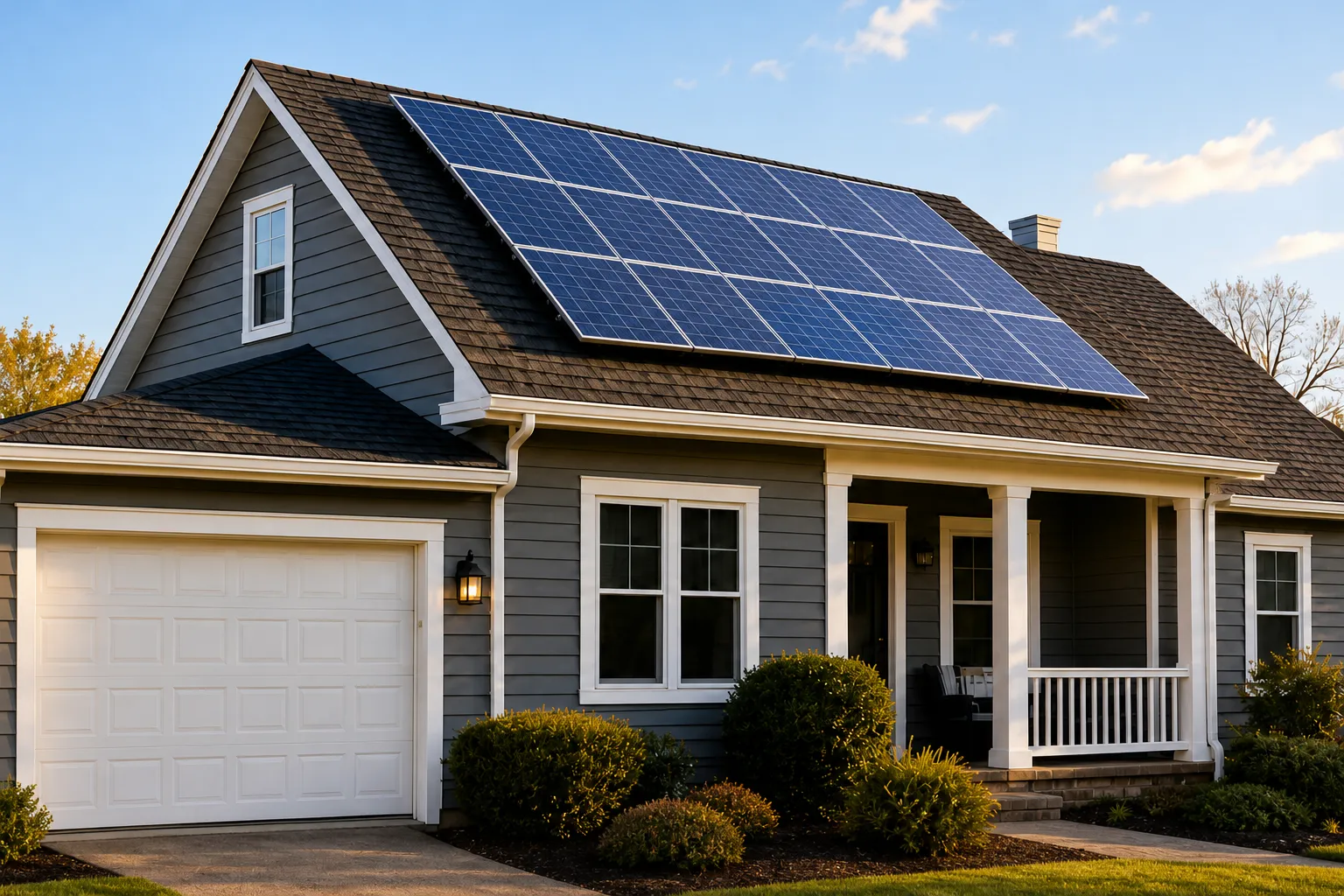
Real homes.
Real numbers.

We show
the math

We say when
it doesn’t pay

Every number is
local and dated

We explain
before we sell
Sound familiar?
A quote promised a short payback, and you can’t check it
Someone at the door wanted a signature today

Every site says “it depends” and never says on what
You heard the tax credit ended and don’t know what’s left
We do it differently: your state’s real numbers, worked out in the open.
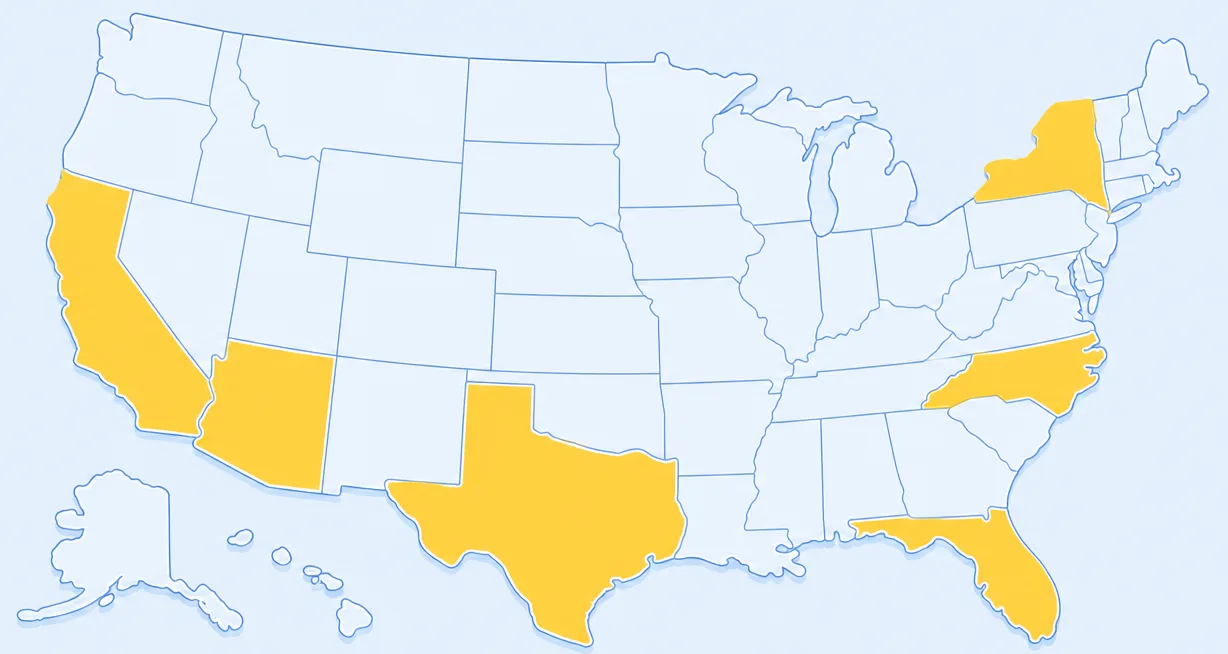
State Briefings
Rates, net metering, incentives and payback for your state, checked and dated.
Today’s Sessions
Start here. Six short guides that make the rest make sense.
Session 1
How solar savings really work

Session 2
Is my roof a good fit?
Session 3
Buy, loan, lease or PPA?
Session 4
Net metering, explained
Session 5
Do I need a battery?

Session 6
How to read an installer quote

The Roundtable Method
Every state briefing answers the same four questions, in the same order.
Your state’s rules
Net metering, incentives and utility rates, checked and dated.
Your roof’s output
How much power a home makes in your state’s sunshine.
Your real cost
Price per watt after any incentive that is still available.
Your honest answer
Payback in years, or a plain “not yet” when it doesn’t add up.
Where our numbers come from: electricity prices from the U.S. Energy Information Administration, solar output from the PVWatts model by the National Laboratory of the Rockies (formerly NREL), incentives from the DSIRE database, and net-metering rules from each state’s utility commission. How we do the math →
Show the math
Example home
- 1,100 kWh a month @ 16¢ $176 a month
- 8 kW system @ $3.00 a watt $24,000
- Federal credit (ended for 2026 installs) − $0
- Your cost $24,000
Years to pay back
14.4 years
Yearly savings: about $1,660
Numbers change by state. That’s why every state briefing redoes this math with local rates.
Assumes 10,400 kWh made a year, full credit for power sent to the grid, flat prices and no state incentive. Checked November 2026.
When solar usually doesn’t pay
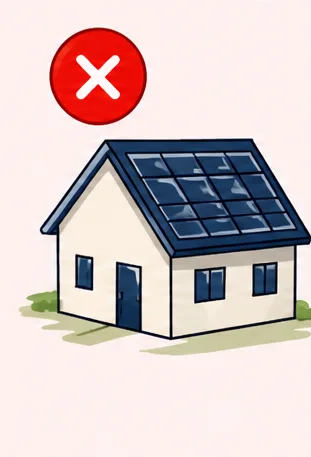
- Heavy shade on the roof
- You’ll move within a few years
- Very low electricity rates
- Weak net-metering rules
Already have quotes?
Check price per watt, system size and financing before you sign.
Know what you’re
really getting. →
- Price per watt
- System size vs. your usage
- Panel and inverter brands
- Loan or lease terms


The Q&A Floor

Real questions.
Straight answers.
How long do solar panels last?
Most panels come with a 25-year performance warranty and keep working past it. They lose a little output each year, usually around half a percent.
Will solar raise my property taxes?
In many states, no: solar is exempt from property tax assessment. The rules differ by state, so each state briefing says how yours treats it.
What happens to solar when I sell my house?
A system you own goes with the house. With a lease or PPA, the buyer has to take over the contract, or you pay it off, which can slow a sale.
Do panels work on cloudy days?
Yes, but they make less power. What counts is your total sunshine over a year, which is built into every state briefing.
Is the federal tax credit still available?
Not for systems you buy. The 30% homeowner credit ended for systems installed after December 31, 2025. Leases and PPAs can still carry a credit, because the company that owns the panels claims it.
What does net metering mean for my bill?
It is the credit your utility gives you for extra power you send back. Some states credit the full retail price, others much less. That one rule can change payback by years.

Ready for real numbers on your roof?
Ask the panel. Get installer quotes for your address, only when you’re ready.
No calls unless you ask. We never sell your details.
